
How to Control Garden Pests Naturally Without Sprays
Learn how to control garden pests naturally using interplanting and intensive planting techniques. Discover natural gardening methods that attract beneficial insects, reduce pest pressure, and create a healthier vegetable garden without relying on sprays.
NATURAL GARDENINGGARDEN TIPSVEGETABLE GARDENING
6/7/20263 min read
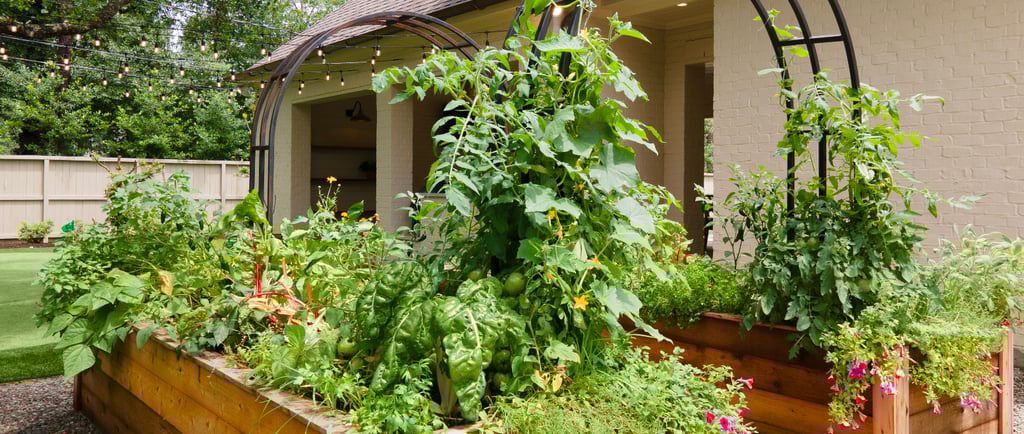
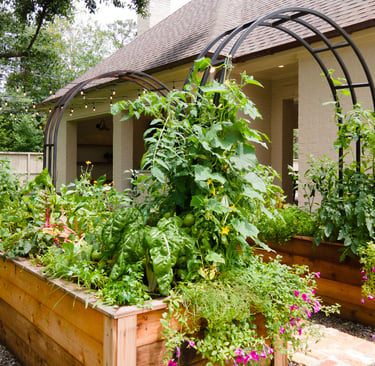
How to Control Garden Pests Naturally Without Sprays
If pests are making themselves a little too comfortable in your vegetable garden, it might be time to rethink your planting strategy.
One of the most effective forms of natural pest control starts before pest problems appear. By using techniques like interplanting and intensive planting, you can create a healthier, more balanced garden that naturally discourages many common garden pests while attracting beneficial insects.
In my own garden, and in all of of my clients' gardens throughout the Chicago suburbs, I've seen how a diverse, thoughtfully planted garden becomes more resilient, productive, and easier to manage over time.
Why Natural Pest Control Works
Many common garden pests locate plants through scent and sight.
When vegetables are planted in large blocks or long rows, pests can easily find exactly what they're looking for. Think of it like setting out a buffet.
Nature doesn't typically grow that way.
In natural ecosystems, plants grow together in layers and communities. Herbs, flowers, vegetables, and beneficial insects all play a role in creating balance.
By mixing different plants together, you can:
Confuse pest insects looking for a specific crop
Attract beneficial insects that prey on garden pests
Increase pollination
Improve garden biodiversity
Reduce pest pressure naturally
This approach works with nature rather than against it.
What Is Interplanting?
Interplanting is the practice of growing different types of plants together within the same bed.
Think of it as creating a small ecosystem rather than planting one crop in a dedicated space.
For example:
• Basil growing beneath tomatoes
• Carrots tucked alongside lettuce and thyme
• Calendula and nasturtiums woven throughout vegetable beds
Each plant contributes something. Some attract pollinators, some provide habitat for beneficial insects, and others help create a more diverse environment that naturally discourages pests.
What Is Intensive Planting?
Intensive planting focuses on making efficient use of space by planting crops close enough that their mature leaves just touch.
Instead of leaving large areas of bare soil, plants work together to create a living canopy.
Benefits include:
Cooler soil temperatures
Improved moisture retention
Fewer weeds
Higher yields in small spaces
Less exposed soil for pests to explore
When combined with vertical growing and succession planting, intensive planting can dramatically increase productivity while creating a healthier garden environment.
Invite Beneficial Insects Into the Garden
Not every insect in the garden is a problem.
In fact, many are working for you.
Ladybugs, hoverflies, lacewings, parasitic wasps, and pollinators all play important roles in a healthy garden ecosystem.
One of the easiest ways to attract beneficial insects is by incorporating flowering plants and herbs throughout your garden.
Some of my favorites include:
Sweet Alyssum
Dill
Calendula
Nasturtiums
Oregano
Thyme
Borage
These plants help provide food and habitat for insects that naturally assist with pest management.
Some of My Favorite Plant Combinations
Over the years, I've found certain combinations consistently perform well in kitchen gardens.
Tomatoes + Basil + Borage
A classic combination that attracts pollinators while maximizing space around tomato plants.
Kale + Onion Chives + Marigolds
A diverse planting that helps support beneficial insects around brassicas.
Cucumbers + Calendula + Dill
Calendula can help draw attention away from cucumbers while dill attracts pollinators and beneficial insects.
Peppers + Thyme + Alyssum
Alyssum attracts hoverflies while thyme helps create diversity within the planting.
The Benefits Go Beyond Pest Control
One of the reasons I love interplanting is that the benefits extend far beyond managing pests.
A diverse garden can also provide:
Better soil health
Improved pollination
Natural shade for smaller plants
Greater resilience during weather extremes
A more beautiful and interesting garden
For example, lettuce, basil, and herbs often appreciate the partial shade created by taller crops like tomatoes during the hottest part of summer.
Natural Pest Control Starts With Planning
One of the biggest misconceptions I see is that pest control starts when insects arrive.
In reality, the healthiest gardens are often designed with pest prevention in mind from the beginning.
By combining vegetables, herbs, and flowers and planting more intensively, you can create a productive garden that naturally supports balance and resilience.
Nature thrives on diversity.
Your garden can too.
And while no garden is ever completely pest-free, a thoughtfully planted garden is often healthier, more productive, and requires far less intervention than one that relies on sprays alone.