
What to Do When a Heat Wave Hits Your Garden
Wondering how to protect your vegetable garden during a heat wave? Learn practical tips for watering, mulching, shade cloth, and managing heat stress so your tomatoes, peppers, greens, and other crops can thrive through hot summer weather.
GARDEN TIPSSEASONAL GARDENINGSUMMER GARDENING
6/10/20263 min read
Whenever a stretch of 90+ degree days shows up in the forecast, I start getting the same questions from clients.
Should I water every day?
Why are my tomatoes wilting?
Do I need shade cloth?
Are my plants going to survive this?
The good news is that a heat wave doesn't automatically mean disaster for your garden. In fact, many established vegetables can handle a few hot days just fine.
The key is knowing what actually needs your attention and what is simply a normal response to the heat.
Here are a few things I recommend focusing on when temperatures start climbing.
Harvest Heat-Sensitive Crops First
If you have lettuce, spinach, arugula, cilantro, or other cool-season crops still growing, now is a great time to harvest them.
These plants are already nearing the end of their season, and prolonged heat often causes them to bolt or become bitter.
It's also worth checking broccoli and cauliflower. If heads are already forming, extreme heat can stress the plants and encourage them to flower prematurely, reducing quality.
Check Your Soil Before You Reach for the Hose
One of the biggest mistakes gardeners make during a heat wave is watering based on what the plants look like.
Instead, check the soil.
Stick your finger a few inches into the soil. You're looking for cool, moist soil below the surface. If it feels dry several inches down, it's time for a deep watering.
If you garden in raised beds or containers, pay attention to the edges. When the soil begins pulling away from the sides of the bed or pot, that's a sign moisture levels are dropping and it's time to water.
The soil will tell you far more than the leaves.
Focus on Deep Watering
When temperatures rise, plants need water where it matters most: at the roots.
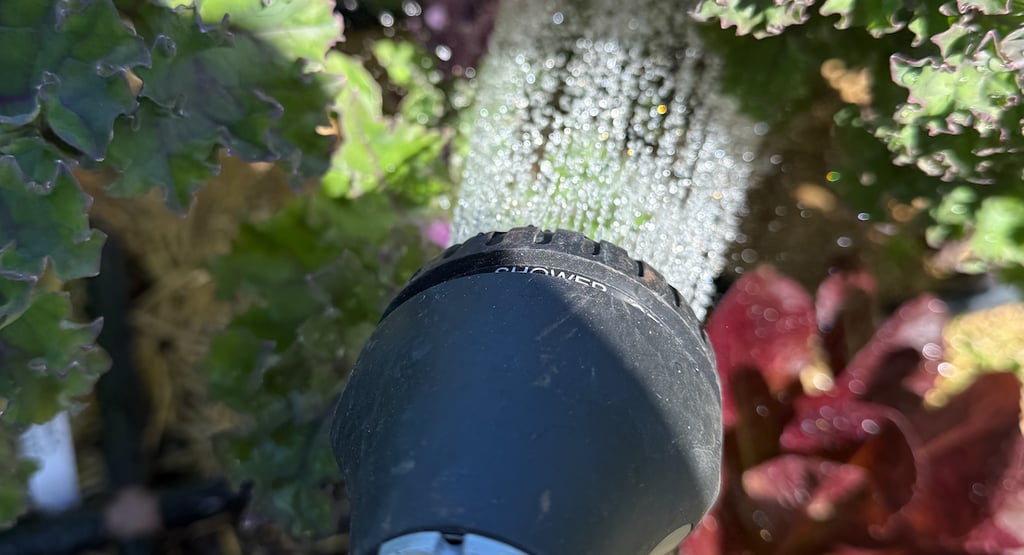
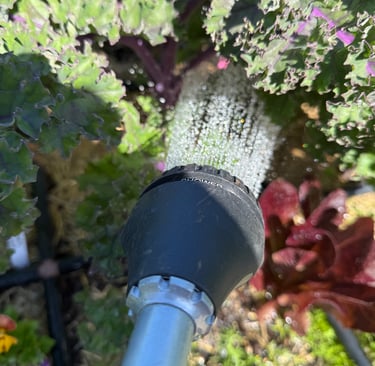
A slow, deep soak is far more effective than a quick daily sprinkle.
Think of it this way: shallow watering helps plants survive. Deep watering helps them thrive.
If possible, water in the morning, the earlier, the better. This gives plants time to take up moisture before the hottest part of the day and reduces water lost to evaporation.
If you're using drip irrigation, this may mean running your system longer rather than increasing how often you water.
Help Your Soil Hold Moisture
If a heat wave is on the way, now is a great time to mulch.
A layer of garden straw around your vegetables helps insulate the soil, slow evaporation, and keep moisture where your plants need it most.
It's one of the simplest things you can do to help your garden through a stretch of hot weather.
Consider Shade Cloth for Extra Protection
If you have advance notice that extreme heat is coming, shade cloth can be incredibly helpful, especially for leafy greens and younger plants.
A simple piece of shade cloth suspended above the garden can reduce stress on plants without blocking all of the sunlight they need to grow.
Think of it as giving your garden a little afternoon relief during the hottest part of the day.
Don't Panic About Afternoon Wilting
This is probably the most common concern I hear during hot weather.
Many vegetables naturally wilt during the hottest part of the day, even when they have adequate moisture.
The real test is what happens in the evening.
If they perk back up once temperatures cool, they're likely doing exactly what they're supposed to do.
If they are still wilted in the evening, it's time to take a closer look at soil moisture and watering practices.
Expect Tomatoes to Slow Down
Tomatoes love warm weather, but even they have their limits.
When temperatures stay above 90 degrees, you may notice fewer flowers setting fruit. Blossoms may drop, and plants may seem like they've hit pause.
That's normal.
Most tomato plants will begin producing again once temperatures moderate.
Don't Forget About Yourself
Gardeners often spend so much time worrying about their plants that they forget about themselves.
If you're heading outside to water, weed, or harvest, bring a water bottle with you.
Try to tackle garden tasks in the morning or evening when temperatures are cooler, and save bigger projects for another day.
The garden will still be there when the heat wave passes.
The Bottom Line
A heat wave is a good reminder that gardening is all about paying attention and observing what your plants need..
Focus on the basics: harvest what needs harvesting, check your soil, water deeply, and protect your plants where you can.
Most gardens are far more resilient than we give them credit for, and a few simple adjustments can help them weather even the hottest weeks of summer.